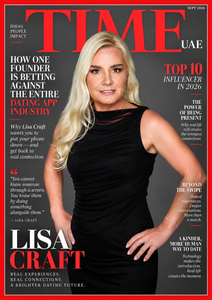

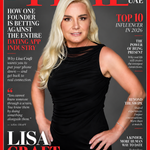



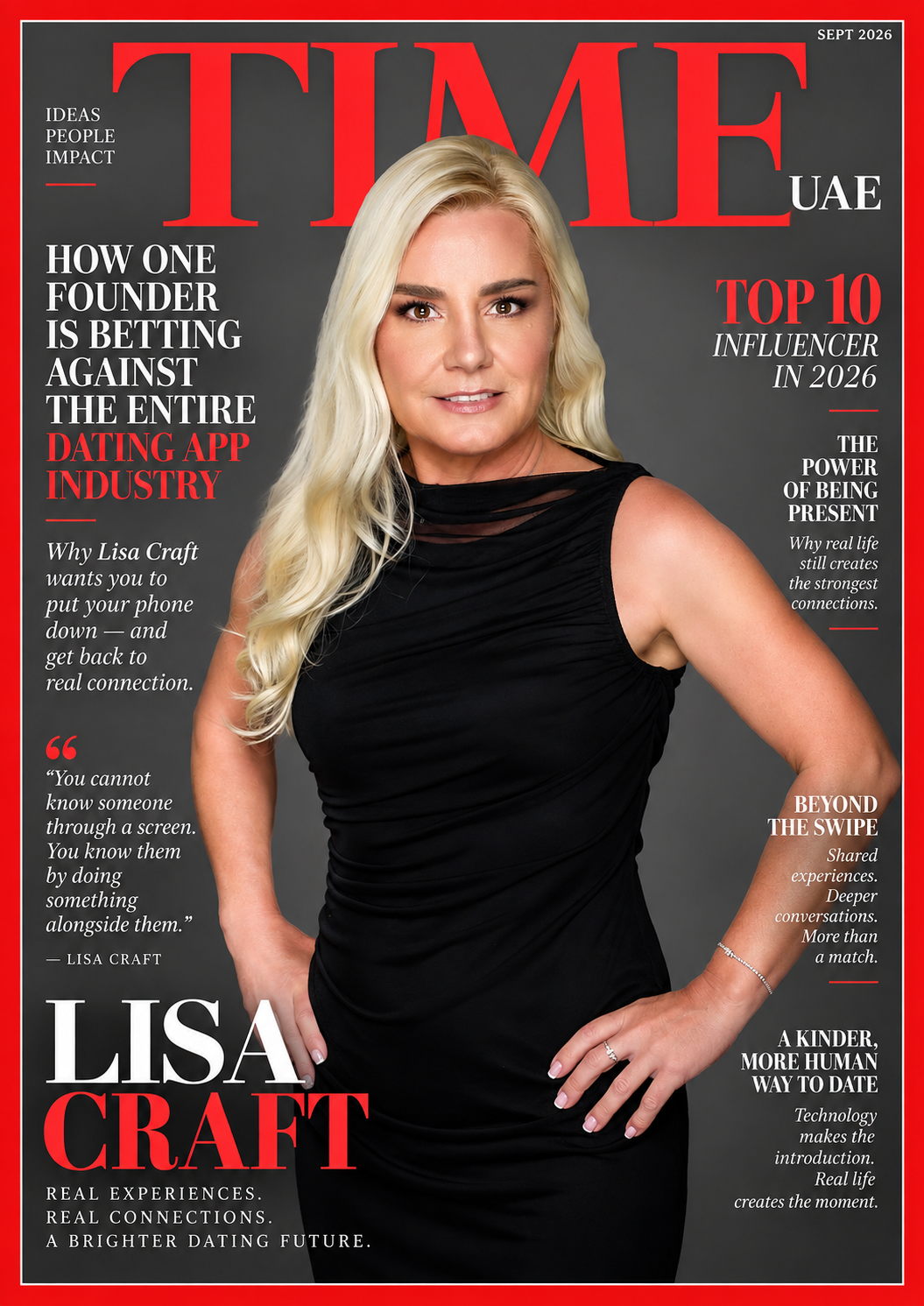
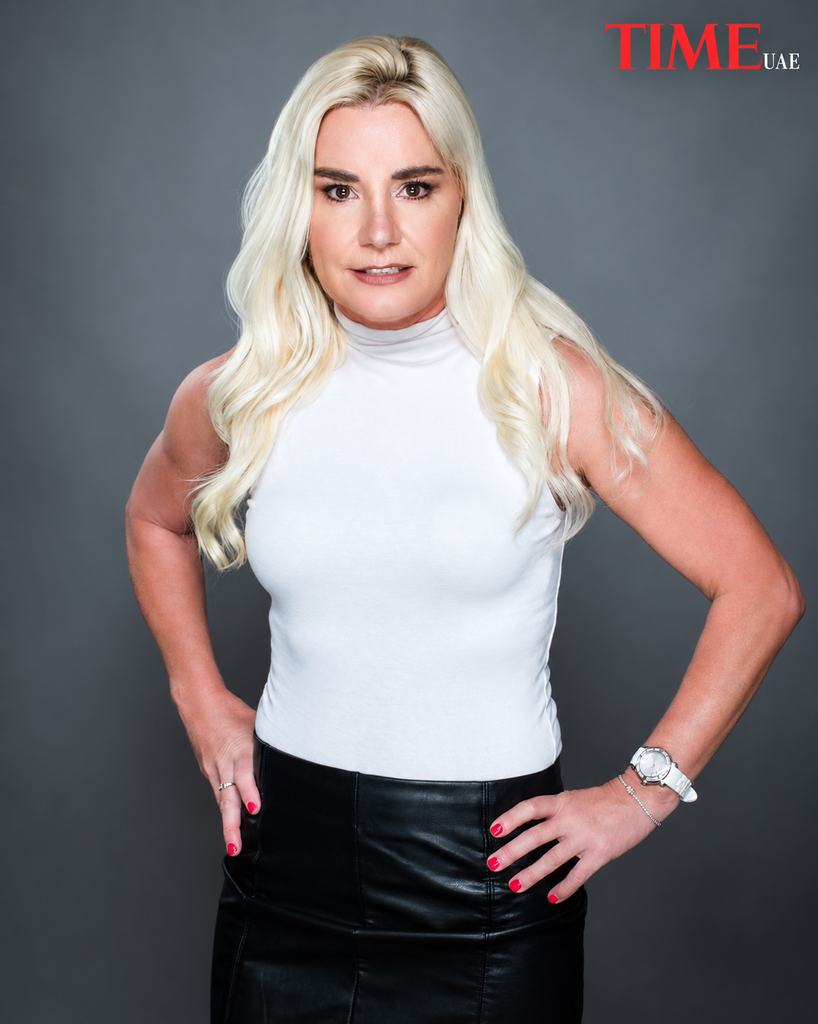
Lisa Craft wants you to put your phone down. It is an unusual position for someone who built a dating app, but that contradiction is precisely the point.
The idea for Adventure Dating came to Craft not in a boardroom or over a pitch deck, but alone on a bike ride through Topanga State Park. Out on the trail, phone away, she noticed how present she felt, fully in the moment. It made her think about how backward modern dating had become: hours spent heads-down on apps designed to keep people scrolling, matching, and messaging, and rarely getting to the part that actually matters, which is being in a room with another person.
“You cannot know someone through a screen,” Craft says. “You know them by doing something alongside them.” By the end of the ride, the concept for Adventure Dating had taken shape.
The premise is a direct challenge to how the dating industry operates. The major apps, Craft argues, are not broken so much as working exactly as designed. Their business models depend on engagement, on users’ time and attention, which means they are built to keep people on the app rather than to get them onto a great date. The result is a phenomenon most singles now know by feel: swipe fatigue, the exhaustion of dating that operates like a second job, an endless inbox of matches that lead nowhere.
Adventure Dating flips that model. Instead of matching people on photos, it connects them through shared experiences, whether dining, live music, the outdoors, culture, or sporting events. From there, the product is built to move people off the app and into real life as quickly as possible. “The app is the introduction,” Craft says. “It was never meant to be the relationship.”
That design choice, she says, changes the entire dynamic of a first date. When the goal is a shared experience rather than a match, the pressure to perform lifts. Two people hiking, at a concert, or trying a new restaurant learn more about each other in an afternoon than in a month of messaging, and they discover quickly whether they genuinely enjoy each other’s company.
Craft is candid that building this way means competing against an entire industry’s incentives. The largest apps, she notes, cannot easily follow her, because their revenue depends on keeping users on the screen while hers depends on getting them off it. She sees that difference as the opportunity. When an industry is financially motivated to work against what its users actually want, there is room for someone to build for the users instead.
It has been a journey. Convincing people to rethink a habit that the biggest platforms have spent a decade and substantial marketing budgets reinforcing is slow work. What sustains her, Craft says, is the response from members who tell her the platform finally feels like dating that respects their time.
Craft also sees Adventure Dating as part of a larger cultural shift. Across nearly every part of life, she argues, people are choosing quality over quantity and presence over performance, protecting their attention because they have felt what happens when they do not. Dating is simply one of the most personal places that shift shows up, because connection is exactly what people want most and what screens deliver worst.
Her view of where dating goes next is less about smarter technology and more about a return to something old. “Technology can make the introduction,” she says. “It cannot manufacture the moment that genuinely connects two people.” The future she imagines looks like two people doing something together and actually paying attention to each other.
It is a philosophy that traces directly back to that bike ride in Topanga, where the insight behind a connection company arrived, fittingly, in a moment of being fully present and completely alone. For Craft, that is the whole idea. Get off the app and go share an experience with someone who values time as their most precious asset.