










Cricket has undergone a remarkable transformation over the past two decades, and at the center of this evolution is the rise of T20 cricket. What began as an experimental format designed to attract new audiences has become a global phenomenon, reshaping the sport’s economics, entertainment value, and international reach. Today, T20 leagues are among the most valuable sporting properties in the world, attracting elite players, massive broadcasting deals, and millions of passionate fans.
The T20 format was introduced to make cricket more accessible to modern audiences. Unlike traditional Test matches that can last up to five days or One Day Internationals that require an entire day of commitment, T20 cricket delivers a complete contest in approximately three hours. The shorter format offers explosive batting, aggressive bowling, and constant action, making it particularly appealing to younger viewers and casual sports fans.
The success of T20 cricket has led to the creation of franchise leagues across multiple continents. These competitions have transformed the way cricket is played, marketed, and consumed. Players from different countries now compete alongside one another, creating unique team combinations and strengthening the sport’s global appeal.
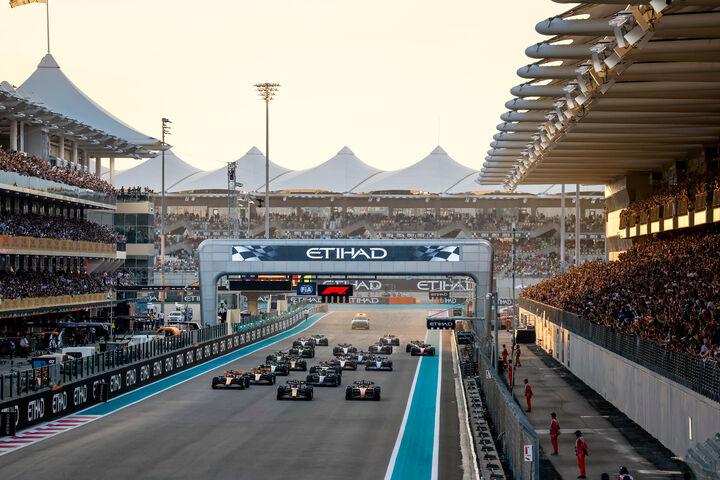
One region that has played a significant role in cricket’s modern expansion is the Middle East. The United Arab Emirates has emerged as one of the world’s most important cricket destinations, hosting international tournaments, franchise leagues, and major bilateral series. With world-class stadiums and exceptional infrastructure, the UAE has become a trusted venue for some of cricket’s biggest events.
Cities such as Dubai, Abu Dhabi, and Sharjah have regularly welcomed international teams and millions of viewers through televised broadcasts. The region’s strategic location, modern facilities, and strong organizational capabilities have made it an attractive choice for cricket administrators and commercial partners alike.

The economic impact of T20 leagues has been substantial. Broadcasting rights, sponsorship agreements, ticket sales, merchandise, and digital content have generated billions of dollars across the global cricket ecosystem. Teams are increasingly viewed as entertainment brands, investing heavily in marketing, fan engagement, and social media strategies to build loyal communities.
Technology has further accelerated the growth of T20 cricket. Advanced analytics now influence team selection, match tactics, and player development. Coaches and analysts use sophisticated data models to identify strengths, weaknesses, and strategic opportunities. At the same time, broadcasters utilize innovative camera angles, player microphones, and real-time statistics to enhance the viewing experience.
Social media platforms have also transformed how fans interact with the sport. Players now maintain direct relationships with supporters through digital channels, sharing behind-the-scenes content, training routines, and personal insights. This accessibility has strengthened fan loyalty and expanded cricket’s reach beyond traditional markets.
For players, T20 leagues have created unprecedented opportunities. Talented cricketers can showcase their abilities on global stages, compete against world-class opponents, and build successful careers through franchise cricket. Young players gain valuable experience by sharing dressing rooms with international stars, accelerating their development and confidence.
The rise of T20 cricket has also influenced national teams. Many cricket boards now place greater emphasis on developing players who can excel across multiple formats. Fitness standards, athleticism, and innovative shot-making have become essential components of modern cricket training programs.
Despite its success, T20 cricket continues to generate debate among traditionalists who fear that shorter formats could overshadow Test cricket’s rich heritage. However, many experts believe that all formats can coexist successfully, each serving different audiences and contributing to the sport’s overall growth.
Looking ahead, the future of T20 cricket appears brighter than ever. New leagues continue to emerge, technological innovation is enhancing fan engagement, and cricket is reaching audiences in countries where the sport was once relatively unknown. The format’s entertainment value and commercial strength ensure that it will remain a driving force behind cricket’s global expansion.
As the game enters a new era, T20 cricket stands as a symbol of adaptation and innovation. By embracing change while preserving its competitive spirit, cricket has successfully evolved for the modern age. For fans across the UAE and beyond, the future promises even greater excitement as the sport continues its extraordinary global journey.