







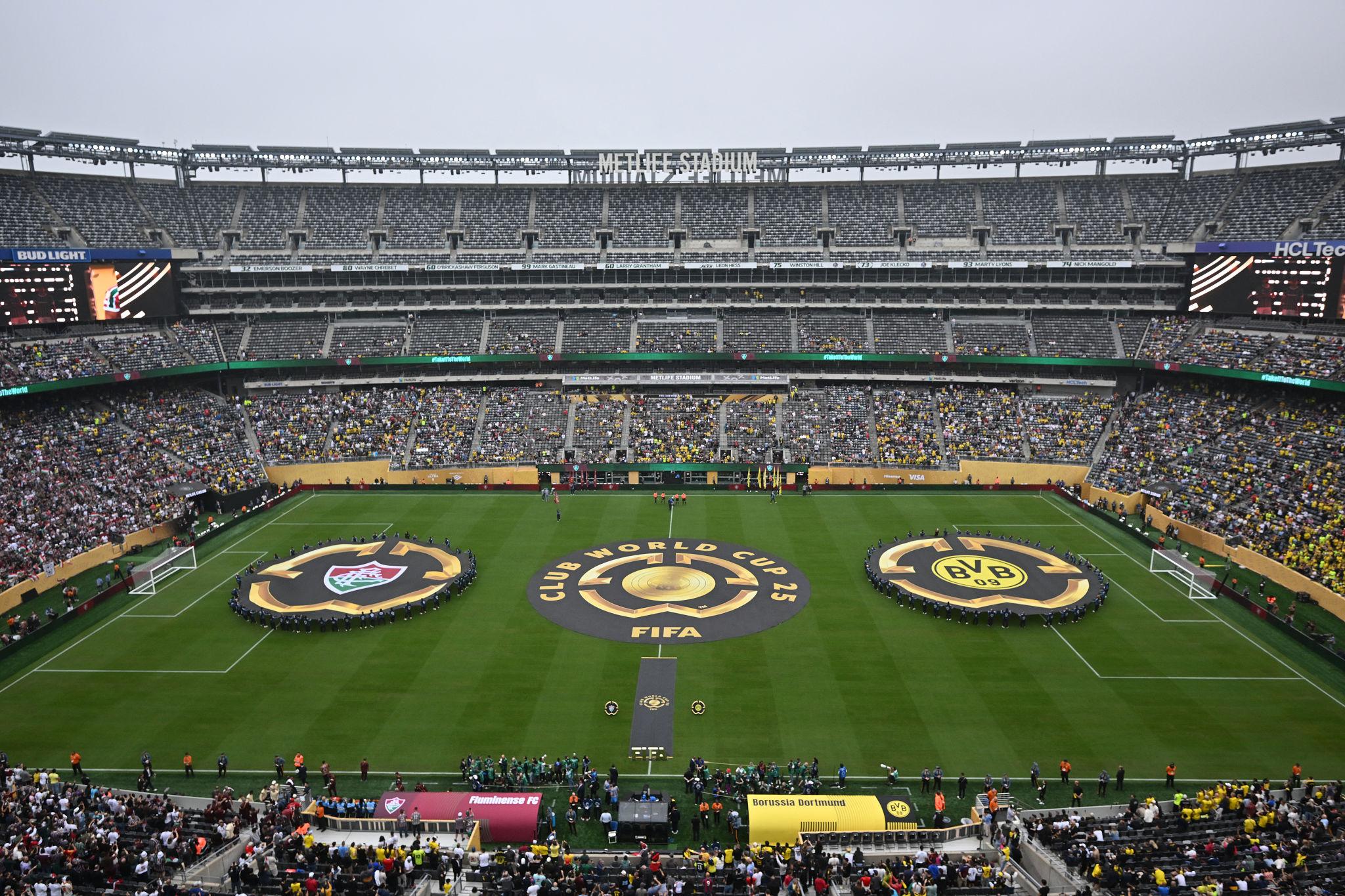
The FIFA Club World Cup 2026 is set to become one of the most significant events in modern football, bringing together elite clubs from every corner of the globe. As the sport continues to expand beyond traditional markets, the tournament represents a new chapter in football’s evolution—one that emphasizes international competition, commercial growth, and unprecedented fan engagement.
For decades, football’s biggest club competitions were largely concentrated within regional tournaments. European clubs dominated global conversations through competitions such as the UEFA Champions League, while South American giants maintained passionate followings through continental championships. The expanded FIFA Club World Cup aims to bridge these worlds, creating a truly global stage where the best teams can compete for international supremacy.
The tournament’s new format reflects FIFA’s ambition to make club football more inclusive and globally representative. Teams from Europe, South America, Asia, Africa, North America, and Oceania will compete in a larger and more competitive event than ever before. This expanded structure gives clubs from emerging football markets a rare opportunity to challenge established powerhouses and showcase their talent to worldwide audiences.
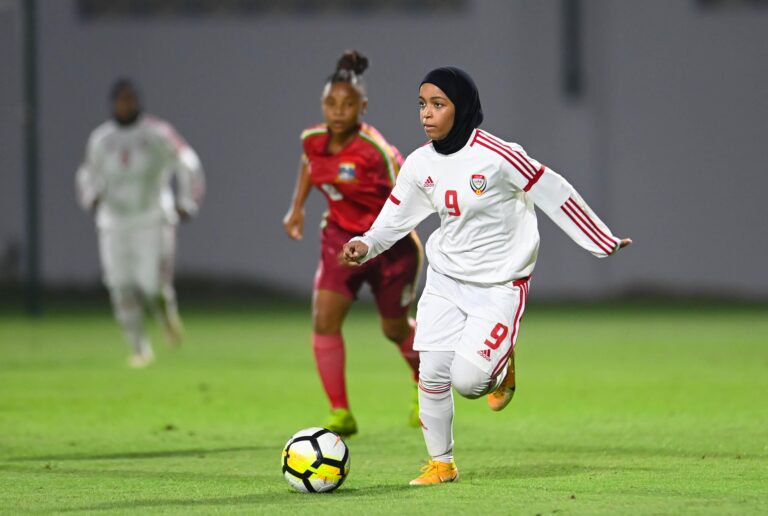
One of the most exciting aspects of the tournament is its potential to strengthen football’s popularity in rapidly growing markets, particularly in the Middle East. Countries across the Gulf region have invested heavily in sports infrastructure, youth development programs, and international sporting events. These investments have transformed the region into a major destination for global sports, attracting athletes, fans, and sponsors from around the world.
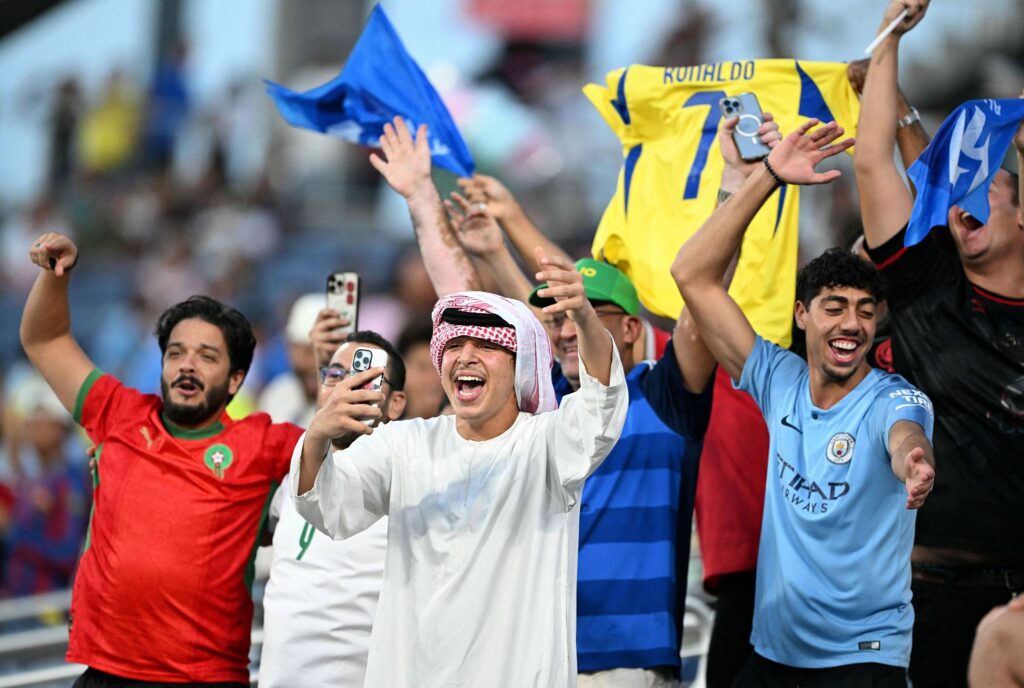
The United Arab Emirates has played a key role in this transformation. Over the years, the UAE has successfully hosted major football tournaments, international friendlies, and high-profile sporting events. Modern stadiums, world-class hospitality, and a strategic geographic location have made the country a natural hub for international competitions. As global football continues to grow, the UAE remains at the center of conversations about the sport’s future.
Beyond the action on the pitch, the FIFA Club World Cup is expected to generate significant economic benefits. Large-scale sporting events drive tourism, increase hotel occupancy rates, boost retail spending, and create employment opportunities across multiple industries. Cities hosting matches often experience a surge in international visitors, creating a positive impact that extends far beyond the tournament itself.
Sponsorship opportunities are also reaching new levels. Global brands recognize football’s unmatched ability to connect with diverse audiences across continents. The expanded Club World Cup offers sponsors access to millions of viewers through television broadcasts, streaming platforms, and social media channels. This commercial appeal has helped transform football into one of the most valuable industries in global entertainment.
Technology will also play a major role in shaping the fan experience. Advanced broadcasting techniques, real-time analytics, virtual content, and interactive digital platforms are making it easier than ever for supporters to engage with their favorite clubs. Fans can now access detailed statistics, behind-the-scenes content, and live updates from virtually anywhere in the world.
For players, the tournament represents a unique opportunity to compete against unfamiliar opponents and styles of play. European clubs may face tactical approaches from Asia, technical flair from South America, or emerging talent from Africa and North America. These matchups create compelling narratives that highlight football’s global diversity.
As anticipation builds, the FIFA Club World Cup 2026 is being viewed as more than just another tournament. It represents football’s ongoing transformation into a truly global game, one that transcends borders and cultures. For fans, clubs, and host nations alike, the competition offers a glimpse into the future of the sport.
With increased participation, growing international interest, and substantial economic impact, the FIFA Club World Cup 2026 is poised to become a landmark event. As football enters a new era of globalization, this tournament stands as a powerful symbol of the sport’s ability to unite people around the world through a shared passion for the beautiful game.