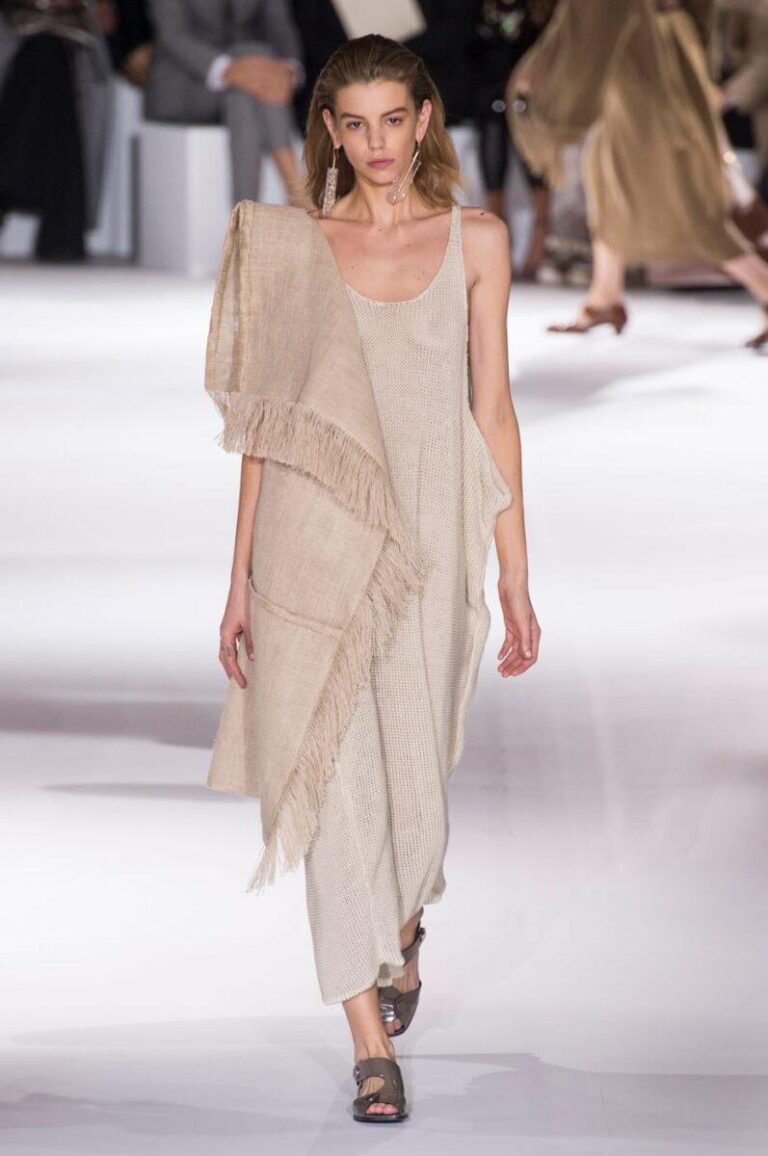












Climate-conscious fashion emerged as one of the most significant themes during the latest Milan Fashion Week. Designers presented collections built around lightweight construction, breathable materials, and adaptable silhouettes that respond to increasingly warm global temperatures.
Runways featured airy tailoring, open necklines, sheer fabrics, and garments designed to maximize comfort without sacrificing sophistication. Fashion houses demonstrated that practicality can coexist with luxury, creating pieces suitable for modern lifestyles.
This shift holds particular relevance for the Middle East. UAE consumers have long prioritized lightweight fabrics and climate-friendly fashion. International brands are now embracing design principles that align naturally with regional needs.
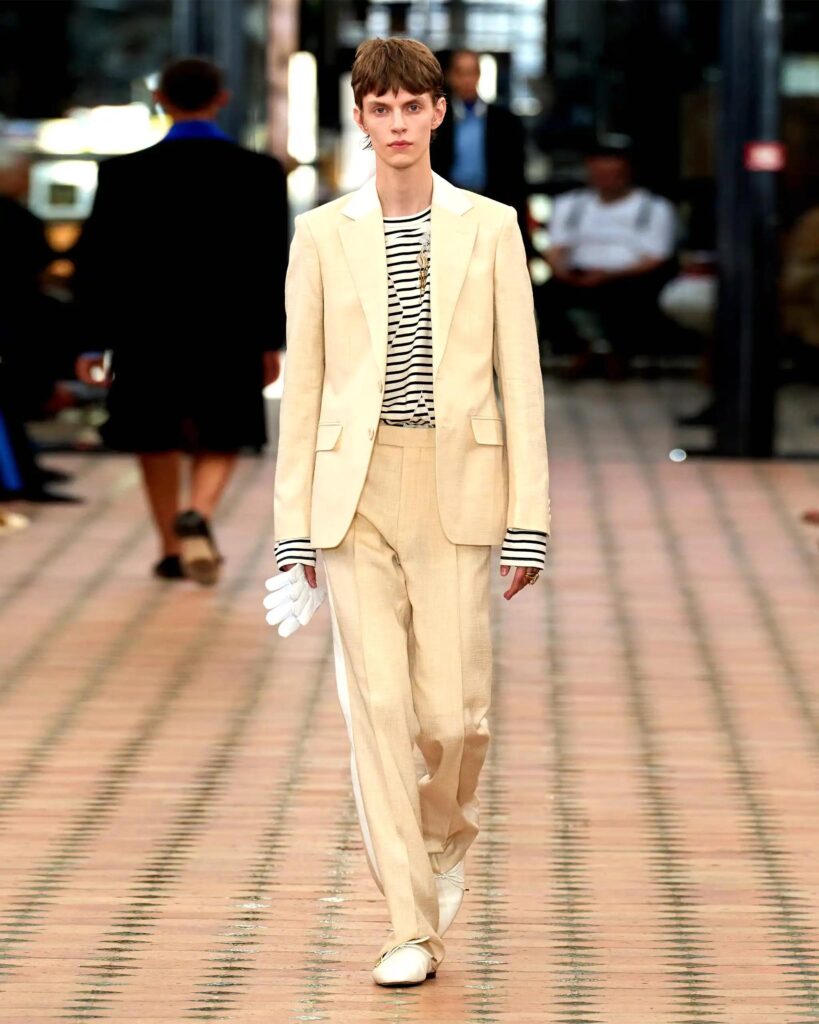
Designers are also experimenting with innovative fabric technologies that improve ventilation and temperature regulation. These advancements allow consumers to remain comfortable while maintaining a polished appearance.
The trend extends beyond functionality. Lighter silhouettes represent a broader cultural movement toward simplicity, ease, and adaptability. Fashion is becoming more responsive to real-world conditions rather than purely aesthetic considerations.
As global temperatures continue rising, climate-aware fashion may become one of the defining characteristics of the next decade.