


Sustainability is no longer a niche concern in fashion. In 2026, circular fashion practices are rapidly becoming standard across the luxury industry. Consumers are demanding transparency, ethical sourcing, and environmentally responsible production methods.
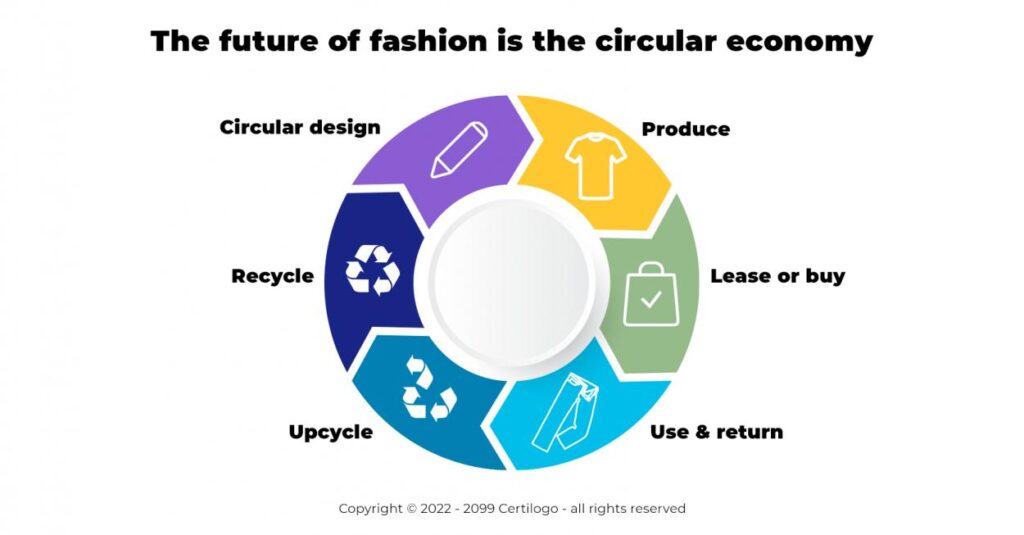
Many brands are investing in resale programs, upcycled collections, and advanced material innovation. Circular fashion aims to extend the life cycle of garments through repair, resale, recycling, and responsible manufacturing. This approach reduces waste while creating new economic opportunities for brands.
The upcoming implementation of Digital Product Passports in Europe is encouraging greater traceability across supply chains. Brands are preparing for a future where consumers can easily access detailed information about a garment’s origins, materials, and environmental impact.
Luxury shoppers in the UAE are increasingly supporting sustainable fashion initiatives. High-end consumers now view sustainability as an essential aspect of quality rather than an optional feature. Fashion houses are responding by highlighting craftsmanship, durability, and responsible sourcing.
Innovative materials are also gaining attention. Biofabricated textiles, recycled fibers, and plant-based alternatives are creating exciting possibilities for designers seeking to balance aesthetics with environmental responsibility.
The future of fashion belongs to brands that can successfully combine luxury, innovation, and sustainability. Circular fashion is not merely a trend—it is becoming the foundation of modern luxury.